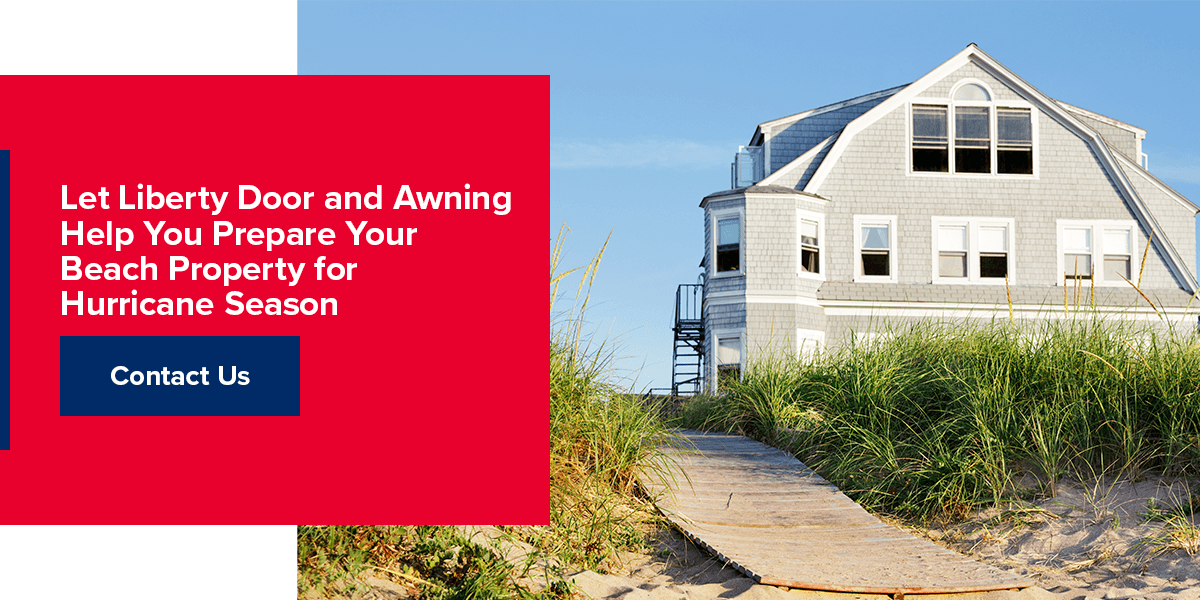

For many households in the Atlantic, hurricane season is the most dreaded time of the year. Understandably, the risk of personal injury and property damage is at its highest, causing anxiety and stress.
The following guide aims to help you understand the effects of hurricanes in New Jersey, what you can anticipate when they are expected to hit and how to prepare your NJ beach property, including when you should put up hurricane shutters and other valuable information.
When Is Hurricane Season in New Jersey?
Although it starts at the beginning of June, the peak of hurricane season usually occurs between August and October, when the National Weather Service (NWS) issues increasing watches and warnings.
The Impact of Hurricanes on New Jersey Coastline Properties
The economic impact hurricanes have are often surreal, especially considering the aftermath where costs run into hundreds of millions in damages. The New Jersey coastline is particularly vulnerable to these damaging aftereffects due to the high-end properties that increase the area’s overall market value. These are a few of the factors that impact the NJ coastline:
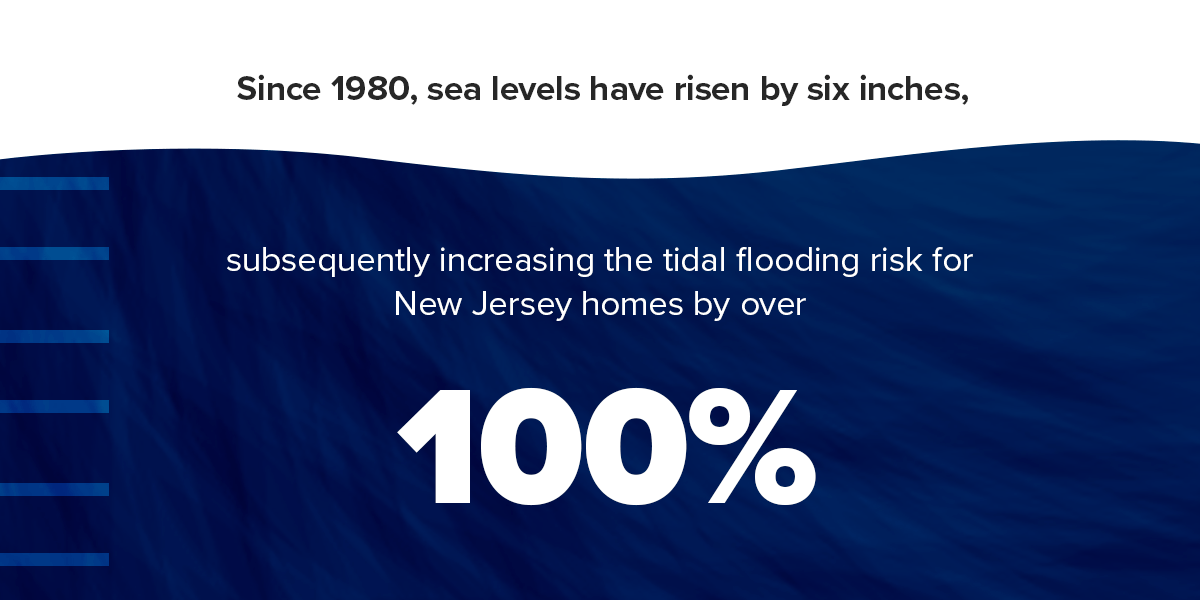
- Increased flood risks: Since 1980, sea levels have risen by six inches, subsequently increasing the tidal flooding risk for New Jersey homes by over 100%. As a result, NJ homes with a combined worth of over $15 billion are more likely to flood once annually. Storm surges have also been on the rise.
- Increased wind damage inland: New Jersey coastline homes are most vulnerable to hurricanes’ flood risks, but wind damage can extend further inland. While flood can cause devastation, 42% of hurricane damage comes from the strong winds.
- Economic impact and costs: Seventeen out of New Jersey’s 21 counties touch the coastline. These generate over $400 billion annually for the economy. The rising sea levels and change in hurricane activity are estimated to lead to hurricane damage of up to $1.3 billion, which would not have been as high if said sea levels and hurricane activity had remained unchanged since 1980.
- New Jersey impact projected growth: The steady rise in sea levels is expected to continue increasing. By 2050, the chances of flooding are anticipated to hit homes in a 1-in-30-year cycle, attributing to combined property damage of almost $100 billion.
- Proper future planning can help mitigate risks: The report emphasizes that any estimates made are not set in stone but can be impacted by proactive planning and adaptation. Global emission reductions play a significant role in decreasing sea levels to help maintain lower risk.
Historic Hurricanes That Hit NJ
New Jersey has a rich history of hurricane activity dating back to the 1800s. Some of the more recent hurricanes that caused mass destruction and millions in damages include:
- Great Atlantic Hurricane — September 1944
- Hurricane Connie — August 1955
- Hurricane Diane — August 1955
- Hurricane Donna — September 1960
- Tropical Storm Flod — September 1999
- Hurricane Irene — August 2011
- Hurricane Sandy — October 2012
- Hurricane Ida — September 2021
Preparing for Hurricane Season in New Jersey
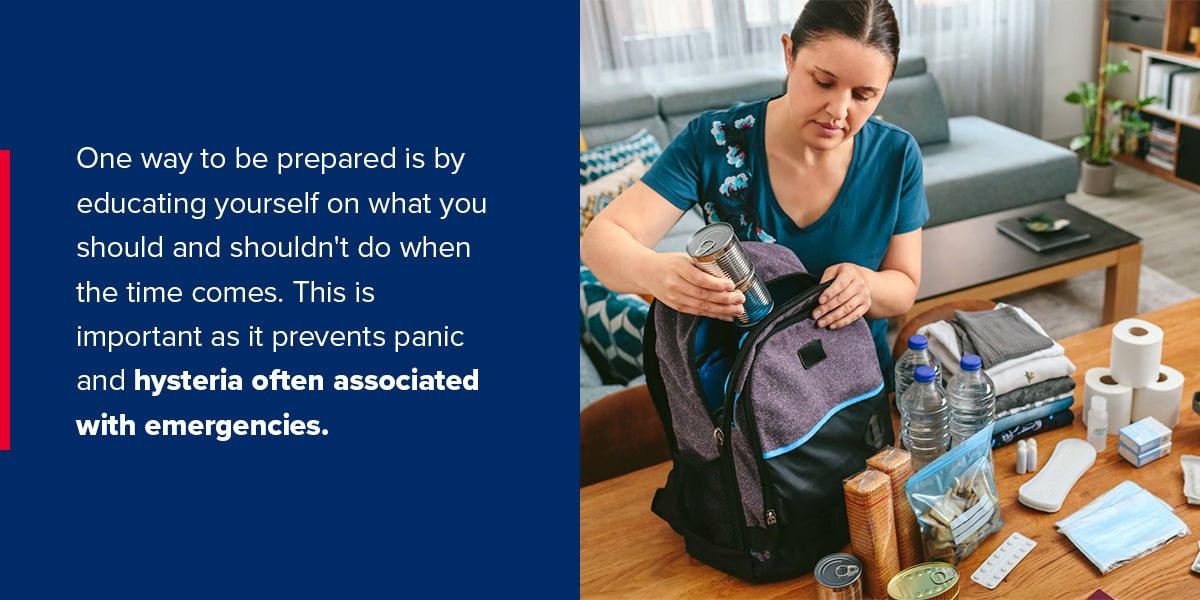
In the months leading up to hurricane season, you want to make sure you are fully equipped to handle a storm or hurricane if it should hit. One way to be prepared is by educating yourself on what you should and shouldn’t do when the time comes. This is important as it prevents panic and hysteria often associated with emergencies. You will know exactly what to do when warnings are issued and you’ll be able to guide and assist your family and neighbors calmly.
Hurricane Safety Preparedness
You should become familiar with the difference between a hurricane watch and a warning. A watch typically refers to the possibility of a hurricane occurring within 48 hours, whereas a warning means that there is a clear expectation of one arriving in the next 36 hours.
Although many people fear the high winds characterized by hurricanes, there are other calamities associated with them. These include floods, storm surges, tornadoes and flying debris due to excessive wind speeds that have all contributed significantly to the death tolls in hurricane events.
Evacuation Guidelines

Your Office of Emergency Management (OEM) will have strict evacuation and survival guidelines to follow if the need arises. This guide includes a comprehensive checklist covering everything from your emergency kit to a pet travel kit and details on the hazards that could result from the hurricane. For more information on how to fully prepare yourself, we suggest contacting your local OEM and checking the relevant weather service channels for updates. This is extremely important as a measure to safeguard yourself and equip you with the necessary knowledge to deal with a potential hurricane. Some of the sources you could access include:
- National Weather Service
- Office of Emergency Management
- National Oceanic and Atmospheric Administration
- Accuweather
Inspect the Current State of Your Home
Being equipped with information on hurricanes and how to protect your family if you should ever experience one firsthand is helpful. However, there are things you can do beforehand that could also help prepare your NJ beach property for the hurricane season.
Bear in mind that this guide is to inform you of ways to prepare your NJ property months in advance and not necessarily when a hurricane is forecasted.
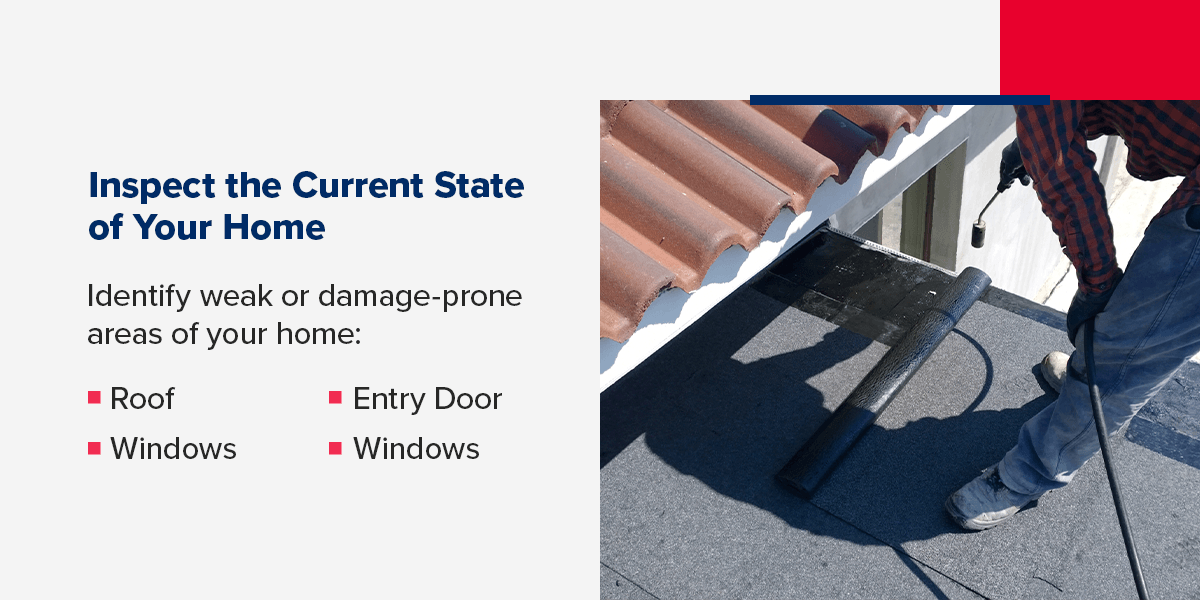
Whether it’s your own home or a property investment, you want to do everything you can to safeguard it in the same way you’d protect your family. When it comes to physically preparing your NJ property for hurricane season, you should start by inspecting the current state of your home. To begin with, identify weak or damage-prone areas of your home. If anything needs to be repaired or replaced, call a professional contractor for help.
Check Your Local Building Code Requirements
Before you do anything regarding repairs or construction, you should contact your local municipality to confirm any updated building code requirements or check them online. This is important for compliance if you need to claim building insurance and ensure the highest standards are met for your safety concerns.
Once you’ve confirmed everything you need to know, you can confidently proceed with inspecting your property while ensuring it meets the building code requirements.
Roof
Your roof is subjected to daily wear and tear and is most exposed to the damaging effects of a major hurricane. This is also one component that must comply with building code requirements before repairs are done.
A roof that’s well-maintained and secure may offer better protection from a hurricane than one that is old and worn. Look out for signs that your roof could be due for repairs or possible replacement:
- Loose, curled, split, missing or broken shingles
- Granular loss on shingles
- Rotten or damaged fascia boards
- Cracks around the chimney
- Evidence of sagging
If anything you see raises a real concern when you have it checked by a professional roofing contractor, ask them to repair it. Any extensive damage may warrant a partial or full replacement, but they will be able to advise you of the best course of action. It’s best to be safe than sorry in a situation like this.
Windows
Glass windows pose a particular threat to you and your family. That’s because of the increased risk of injury and even death resulting from it being shattered by high-speed winds during a hurricane. For this reason, installing hurricane shutters will protect you, your family and your home when the time comes. If you don’t already have them, here are a few advantages:
- Ultimate storm protection: Due to the durability of the aluminum and stainless steel components used to manufacture hurricane shutters, you are at less risk of experiencing damage to your property than if you had not had this type of window protection.
- Protection from intruders: Hurricane shutters are durable and can be locked from both sides. If you need to evacuate, you can have peace of mind knowing your property is protected while you’re away.
- Reduced insurance premiums: You could benefit from reduced insurance premiums because hurricane shutters provide additional asset protection and are made specifically to withstand the impact of hurricanes. Contact your insurance company to discuss the possibility.
There are many more benefits of installing hurricane shutters for additional protection over your glass windows — these advantages are highlighted because of their significance during the hurricane season. Installing shutters that comply with the necessary building codes further reassures you that they are built to last.
Entry Door
Having a sturdy entry door is another way to ensure your home is safeguarded against a hurricane. Wood-grained and rustic fiberglass, steel-reinforced and storm entry doors offer protection and should be inspected regularly for wear and tear. Although it is not generally a component that is easily or often replaced, it should be if you notice any significant damage that can reduce your chances of protection during a storm.
Garage Door
Your garage door can cause substantial damage if strong winds rip it off during a hurricane. As strong as they are, they can be flown far distances and often land in backyards and on roofs of neighboring homes. Like your roof, they are important constituents that are consistently exposed to the elements. In preparation for the NJ hurricane season, do a thorough inspection of your garage door internally and externally and look for signs of possible damage:
- Opener malfunctions
- Broken or damaged extension or torsion springs
- Dented tracks
- Loose or broken cables
- Blocked sensors
- Malfunctions during door opening or closing
- Dented or damaged panels
If you come across anything that appears faulty with your garage door, get a reputable garage door contractor to assess it and repair it if necessary. A worn or dysfunctional garage door may sustain damage from flying debris and wind force than one that is reinforced for added hurricane protection.
Assess the Surrounding Property
Apart from checking the condition of your physical home or property, it’s important to inspect your surroundings to ensure everything is in order when hurricane season approaches. There are a few elements to consider, listed below.
- Flooding risk: This is particularly important to check if your beach property is located on a slope or gradient that can lead to flooding. Although you can’t really do anything in terms of your property location, you can plan exit routes and walkways that can help during evacuation. Understanding which sections are at higher risk for flooding can help you plan and prepare accordingly.
- Gutters and spouts: Gutters should be clear of leaves and other debris that could clog them. This is a good time to arrange a gutter cleaning service to ensure that both gutters and downspouts are clear of obstructions.
- Sandbags and hurricane barriers: Survey the grounds to identify potential areas you could place sandbags and barriers that could help shield your property from flooding and debris.
- Outdoor furniture and loose objects: Note any outdoor furniture and loose objects that could possibly become dangerous projectiles during high wind speeds. Ensure you have storage space to keep them secure at the onset of the hurricane season.
- Boats and trailers: If you own a boat or trailer, ensure they are parked or docked safely ahead of time.
- Trees and branches: Have a professional inspect your trees and bushes and trim any necessary branches to prevent damage.
Review Your Insurance Coverage
At a time when you can expect the worst to happen, you want peace of mind knowing your home and valuables are covered by the relevant insurance policies. Reviewing your insurance coverage in advance of hurricane season will benefit you later on, especially if you need to adapt it for inclusions. Your coverage may not be as comprehensive as you think, and you might need to purchase individual policies for various incidents. These include:
- Flood insurance
- Windstorm insurance
- Named storm deductibles
Named storm deductibles generally apply when the NWS or National Hurricane Center (NHC) names storms like hurricanes, tropical storms and cyclones, excluding tornados and windstorms. Your insurance will therefore only cover damage caused by storms categorized by these official authorities. Regardless of the severity, coastal areas are more prone to storm activity, which may require separate policies to ensure full coverage. We would suggest you contact your insurance company to establish whether you require additional policies.
Let Liberty Door and Awning Help You Prepare Your NJ Beach Property for Hurricane Season
Preparing your beach property for the NJ hurricane season requires a lot of work. The good news is that Liberty Door and Awning can help you easily achieve this.
We are proud of our steadfast service and support and go out of our way to make our clients happy. Whether you need garage door repairs or hurricane shutters installed, we are fully prepared and equipped to do the job. Your family’s safety and your beach property’s integrity are important to us, so we’ll do everything we can to help prepare you for the upcoming hurricane season.